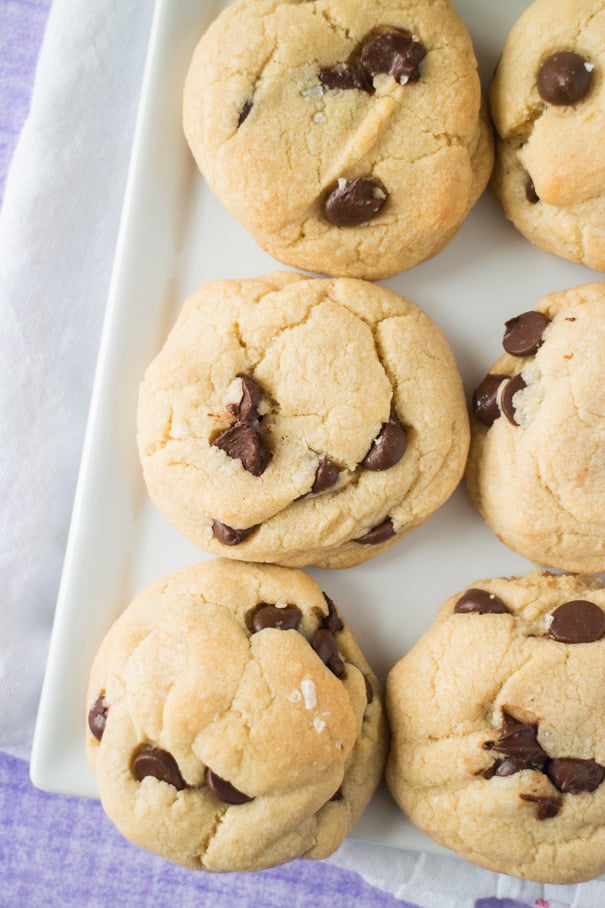
The Secret to Ultimate Chewy Chocolate Chip Cookies: Bread Flour
For countless home bakers, the quest for the perfect chocolate chip cookie is a lifelong journey. We’ve experimented with every trick in the book: brown sugar ratios, extra egg yolks, melted butter, chilling dough for days. Yet, for many, that elusive "bakery-style," intensely chewy texture remains just out of reach. The cookies are often too flat, too crispy, or disappointingly cakey. But what if the secret wasn't a complex technique, but a simple swap of a single ingredient? Prepare to unlock the magic of
chewy chocolate chip cookies made with bread flour.
It often happens by happy accident, a moment of desperation in the kitchen that leads to a culinary breakthrough. Imagine running out of your trusty all-purpose flour mid-baking spree, only to find a bag of bread flour staring back at you. A quick decision, a leap of faith, and suddenly, you're holding the best chocolate chip cookies you've ever made. This unexpected hero, bread flour, transforms ordinary cookies into extraordinary chewy delights with a soft, rich center and satisfyingly crisp edges. If you've never considered using bread flour for your cookies, prepare for a game-changing revelation that will have you keeping a dedicated bag in your pantry just for this purpose.
The Unexpected Hero: Why Bread Flour is Your Secret Weapon for Chewy Cookies
The true distinction between a good cookie and an unforgettable one often lies in its texture. And when it comes to achieving that coveted chew, the science points directly to bread flour. The fundamental difference between bread flour and its more common counterpart, all-purpose flour, is its
protein content. All-purpose flour typically hovers around 10-12% protein, while bread flour boasts a higher range of 12-14% or even more. This seemingly small percentage difference is what makes all the difference in your cookie's final form.
Why does higher protein matter? Protein, specifically gluten-forming proteins, are the building blocks of structure and elasticity. When liquid is added to flour, these proteins interact to form gluten strands. In bread, this gluten network is essential for creating that springy, airy, and chewy crumb. While you might associate gluten development with tough textures in baked goods like cakes, in the context of cookies, it’s precisely what delivers that satisfying, resilient chew we crave. More protein means more gluten development, and more gluten means a more pronounced, delightful chew. This isn't about making your cookies "bready"; it's about giving them an internal structure that resists crumbling and maintains its soft, pliable texture from the first bite to the last, even days later. For a deeper dive into the scientific reasons behind this amazing transformation, you might find our article on
Why Bread Flour Makes Your Chocolate Chip Cookies Extra Chewy particularly insightful.
Beyond Chewiness: The Full Texture Spectrum of Bread Flour Cookies
While the main draw of using bread flour for cookies is undoubtedly the unparalleled chewiness, its benefits extend far beyond a single textural characteristic. These
chewy chocolate chip cookies made with bread flour offer a symphony of textures that truly elevate the eating experience. Imagine a cookie with edges that are wonderfully crisp and golden brown, providing a delicate snap that gives way to an intensely soft, almost gooey center. The higher protein content in bread flour helps the cookies hold their shape better during baking, preventing them from spreading too thin and becoming excessively flat. This results in a thicker, more substantial cookie that boasts a beautiful dome and a more robust presence on your cooling rack.
The structural integrity provided by bread flour also contributes to the longevity of the cookie's desirable texture. Have you ever baked a batch of cookies only for them to turn stale and hard the next day? Bread flour cookies, due to their enhanced chewiness and moisture retention, often remain delightfully soft and chewy for several days, making them perfect for meal prepping or simply enjoying over time. This remarkable staying power is a hallmark of truly exceptional bakery-style cookies. If you're aiming to replicate that professional quality right in your home kitchen, our guide on how to
Bake Bakery-Style Chewy Chocolate Chip Cookies with Bread Flour provides further techniques to achieve that coveted gourmet finish.
Crafting Your Perfect Batch: A Step-by-Step Guide to Chewy Chocolate Chip Cookies Made With Bread Flour
Ready to experience cookie perfection? Here’s how to harness the power of bread flour to create the ultimate chewy chocolate chip cookies. While specific measurements can vary slightly by recipe, the principles remain consistent.
Key Ingredients & Their Roles
- Bread Flour: The star! Typically 1 ¾ to 2 ¼ cups, it provides the essential protein for chew.
- Unsalted Butter: Softened, not melted, for proper creaming. It contributes richness and aids in texture.
- Brown Sugar & Granulated Sugar: A critical duo. Brown sugar adds moisture and molasses for chewiness and depth of flavor, while granulated sugar contributes to crisp edges and spread. A higher brown sugar ratio often enhances chew.
- Eggs: Act as binders and add richness, structure, and moisture. An extra egg yolk can further boost chewiness.
- Vanilla Extract: Essential for classic chocolate chip cookie flavor. Use good quality for best results.
- Baking Soda & Baking Powder: Leavening agents. Baking soda reacts with acidic brown sugar to create spread and tenderize, while baking powder provides lift. A balanced ratio is key.
- Salt: Balances sweetness and enhances all other flavors. Don't skip it!
- Chocolate Chips: Semi-sweet is classic, but feel free to mix in milk, dark, or chopped chocolate bars for varied texture and flavor.
The Method: Mastering the Steps for Maximum Chew
- Combine Dry Ingredients: In a medium bowl, whisk together your bread flour, baking soda, baking powder, and salt. Set aside. This ensures even distribution of leavening and seasoning.
- Cream Butter & Sugars: In a large bowl, using a stand mixer with a paddle attachment or a hand mixer, cream together the softened butter, brown sugar, and granulated sugar on medium speed until light, fluffy, and pale. This process incorporates air, which is crucial for a tender crumb and helps prevent overly dense cookies. Scrape down the sides of the bowl often.
- Add Wet Ingredients: Beat in the egg(s) one at a time, mixing well after each addition. Then, stir in the vanilla extract. Mix until just combined.
- Combine Wet & Dry: Gradually add the dry ingredients to the wet ingredients, mixing on low speed until just combined. Do not overmix! Overmixing develops too much gluten at this stage, which can lead to tough rather than perfectly chewy cookies. Stop as soon as no streaks of flour remain. The dough may be a bit crumbly at this point, which is normal for bread flour cookie dough.
- Fold in Chocolate Chips: Stir in your chosen chocolate chips (and any other mix-ins like nuts) with a sturdy spoon or spatula. Distribute them evenly to ensure every cookie gets a generous chocolatey bite.
- Chill the Dough: This is a critical step for developing flavor and texture. Cover the dough bowl tightly with plastic wrap and refrigerate for at least 30 minutes, or even better, 2-24 hours. Chilling allows the flour to fully hydrate, the flavors to meld, and the butter to firm up, which significantly reduces spreading and intensifies chewiness.
- Portion and Bake: Preheat your oven to the recommended temperature (typically 350°F / 175°C). Line baking sheets with parchment paper or silicone mats. Scoop the chilled dough into uniform balls (use a cookie scoop for consistency). For that bakery-style look, gently press down on each cookie dough ball with the palm of your hand or a spatula to slightly flatten it before baking.
- Bake to Perfection: Bake for 10-14 minutes, or until the edges are golden brown and set, but the centers still look slightly soft and underbaked. This ensures a chewy interior. Overbaking is the enemy of chewiness!
- Cool: Allow the cookies to cool on the baking sheet for 5-10 minutes before transferring them to a wire rack to cool completely. This crucial step allows them to set up properly and continue cooking slightly from residual heat, ensuring that perfect balance of crispy edges and a wonderfully chewy center.
Tips for Success and Variations
Achieving the ultimate
chewy chocolate chip cookies made with bread flour is within your grasp. Here are some extra tips and ideas to perfect your batch and explore new horizons:
Troubleshooting Common Cookie Woes
- Cookies Spreading Too Much? Ensure your butter isn't too soft (it should be cool to the touch but pliable), chill your dough for longer, and double-check your oven temperature with a thermometer.
- Cookies Too Dry/Crumbly? You might be overbaking them. Look for those golden edges and slightly underbaked centers. Also, ensure you're measuring your flour correctly, ideally by weight, as too much flour can lead to dry cookies.
- Not Chewy Enough? Make sure you're definitely using bread flour! Also, avoid overmixing the dough once the flour is added, and ensure a good ratio of brown sugar to granulated sugar.
Beyond the Basic: Customizing Your Chewy Chocolate Chip Cookies
- Chocolate Variety: Don't limit yourself to semi-sweet chips. Try a mix of dark chocolate chunks, milk chocolate morsels, or even white chocolate. Chopped high-quality chocolate bars melt beautifully.
- Add-Ins: Elevate your cookies with a sprinkle of flaky sea salt on top before baking, toasted nuts (pecans, walnuts), a dash of espresso powder to deepen the chocolate flavor, or even a hint of cinnamon or cardamom for warmth.
- Storage: Store cooled cookies in an airtight container at room temperature for up to 3-5 days. To maintain chewiness, you can place half a slice of bread in the container; the cookies will absorb moisture from the bread.
- Freezing Dough: Cookie dough made with bread flour freezes wonderfully. Scoop balls of dough, place them on a baking sheet, and freeze until solid. Transfer to a freezer-safe bag for up to 3 months. Bake from frozen, adding a few extra minutes to the baking time.
In the pursuit of the ultimate chocolate chip cookie, many paths lead to deliciousness, but few deliver the consistent, satisfying chew quite like bread flour. It's the simple, unassuming ingredient that holds the secret to transforming your homemade cookies into bakery-worthy masterpieces. The higher protein content works its magic, creating a gluten structure that yields a cookie with crisp edges, a delightfully soft and rich center, and an unparalleled chew that lasts for days. So, embrace the unexpected, grab that bag of bread flour, and prepare to bake the most irresistible
chewy chocolate chip cookies made with bread flour you've ever tasted. Your quest for cookie perfection ends here.