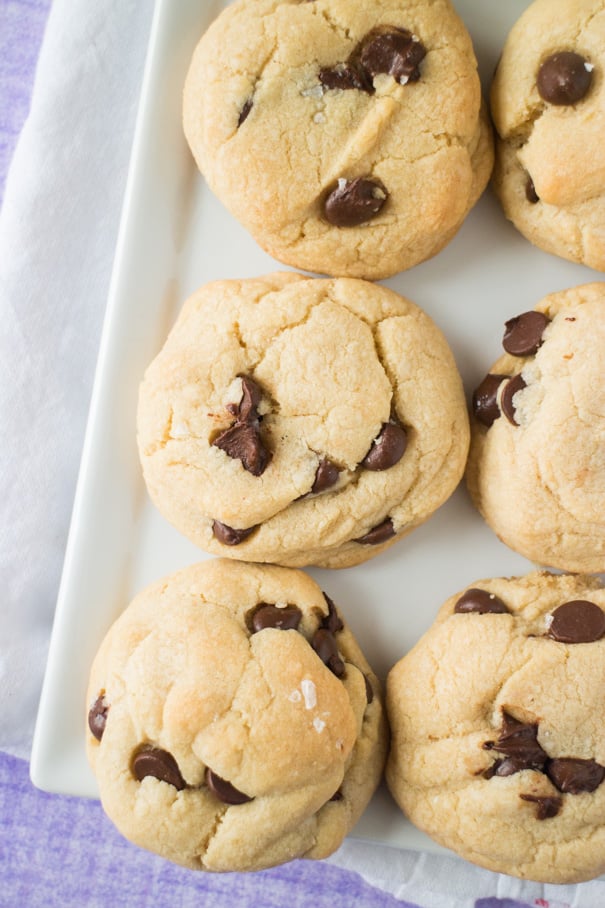
The Unexpected Secret to Ultimate Chewy Chocolate Chip Cookies: Bread Flour
For many home bakers, the quest for the perfect chocolate chip cookie is a lifelong journey. We dream of that elusive texture: golden brown and slightly crispy on the edges, yet gloriously soft, thick, and undeniably chewy in the center. We've tried every trick in the book – more brown sugar, an extra egg yolk, melted butter, chilling the dough for days. While these methods certainly help, there's one ingredient that consistently delivers the ultimate chewy texture, often overlooked and surprisingly effective: bread flour. If you’ve been searching for truly chewy chocolate chip cookies made with bread flour, prepare to have your baking world transformed.
It sounds counterintuitive, doesn't it? Bread flour, traditionally reserved for loaves, sourdoughs, and bagels, making its way into delicate cookies? Yet, this "happy accident" has become a beloved secret for many who stumbled upon it after running out of all-purpose flour. The result is consistently amazing: cookies that are extra chewy, soft in the center, and packed with rich chocolate flavor, holding their shape beautifully without spreading into thin, sad discs. Say goodbye to flat cookies and hello to bakery-style perfection!
The Science Behind the Chew: Unlocking Gluten's Magic
To understand why bread flour is the secret weapon for intensely chewy chocolate chip cookies, we need to delve into a little bit of baking science, specifically the role of protein and gluten. The key difference between bread flour and all-purpose flour lies in their protein content. Here’s a quick breakdown:
- All-Purpose Flour: Typically contains 10-12% protein. It's versatile, suitable for a wide range of baked goods from cakes to muffins to some breads.
- Bread Flour: Boasts a higher protein content, usually 12-14%. This higher protein level is crucial for making breads that require a strong, elastic, and chewy texture.
When flour is mixed with water (or other liquid ingredients like eggs and butter), the proteins in the flour, primarily glutenin and gliadin, link together to form gluten. Gluten is the elastic network that gives structure to baked goods. In bread making, more gluten development means a chewier, more substantial crumb that can trap gases and rise. When applied to cookies, that same principle translates directly into an irresistible chew.
The extra protein in bread flour produces more gluten, which creates a stronger, more resilient dough. This gluten network gives the cookies their signature chewy texture, preventing them from becoming crumbly or cakey. Instead, you get a cookie that offers a satisfying resistance when you bite into it, with perfectly crispy edges and a wonderfully soft, almost gooey center. It's truly a game-changer for anyone craving that ultimate bakery-style chewy chocolate chip cookies made with bread flour experience.
A Happy Accident: Discovering Bread Flour's Cookie Potential
The tale of bread flour's ascent in the cookie world often begins with a moment of desperation. Imagine this: a sudden craving for warm, homemade chocolate chip cookies strikes. You gather your ingredients, only to find your all-purpose flour bin distressingly empty. Panic sets in. Then, a glance at the pantry reveals a bag of bread flour, perhaps leftover from a sourdough experiment or an ambitious bread-making phase. "Could it work?" you wonder. With a shrug and a dash of daring, you substitute it.
What unfolds next is often described as a revelation. That batch of cookies doesn't just "work" – it excels. The cookies emerge from the oven, perfectly golden, thick, and surprisingly robust. As they cool, a new texture becomes apparent: a chewiness that’s distinct from any all-purpose flour cookie you've ever made. They’re not just soft; they’re resilient, satisfyingly pliable, and incredibly moreish. It’s this fortunate culinary mishap that has turned countless bakers into steadfast proponents of bread flour for their chocolate chip cookies.
This experience validates the science: the higher protein content wasn't a hindrance; it was precisely what created that coveted, extra-chewy texture. The cookie dough, with its increased gluten potential, holds its shape better during baking, resisting excessive spreading and maintaining a beautiful, thick profile. This makes bread flour not just a substitute, but a secret weapon for achieving truly memorable chewy chocolate chip cookies made with bread flour.
Beyond Chewiness: Additional Benefits of Bread Flour in Cookies
While the primary draw of using bread flour in chocolate chip cookies is undoubtedly the enhanced chewiness, its benefits extend beyond just texture. This seemingly small ingredient swap can elevate your cookie game in several other significant ways:
- Improved Structure and Shape: The stronger gluten network formed by bread flour provides more structural integrity to your cookie dough. This means less spreading in the oven, leading to thicker, taller cookies that hold their shape beautifully. No more flat, sad cookies! This contributes significantly to that coveted "bakery-style" look and feel.
- Extended Freshness and Moisture Retention: Cookies made with bread flour tend to stay chewy and fresh for longer. The denser crumb and stronger gluten structure help trap moisture, ensuring that your cookies remain soft and delicious even on day two or three. This is a game-changer for making a batch that can be enjoyed over several days without losing its appeal.
- Crispy Edges and Soft Centers: Bread flour helps achieve that ideal contrast: a perfectly crisp edge that gives way to a wonderfully soft, almost gooey center. It’s the textural dichotomy that elevates a good cookie to a great one.
- Enhanced Flavor Depth: While not directly a flavor enhancer, the improved texture and moisture retention can indirectly contribute to a perception of richer flavor, as the cookie's components (butter, sugar, chocolate) are held in a more satisfying matrix.
If you're aiming for cookies that look and taste like they came straight from a gourmet bakery, embracing bread flour is a step you won't regret. It truly helps you bake bakery-style chewy chocolate chip cookies with bread flour that impress every time.
Mastering Your Chewy Chocolate Chip Cookies with Bread Flour: Tips for Success
Ready to bake the best batch of chewy chocolate chip cookies made with bread flour you’ve ever tasted? Here are some actionable tips to ensure your success:
- Embrace the Substitution: In most standard chocolate chip cookie recipes, you can directly substitute bread flour for all-purpose flour in a 1:1 ratio. You don't usually need to adjust liquids significantly, as the dough will simply be a bit firmer, which is desirable.
- Quality Ingredients Matter: While bread flour is the star, don't skimp on other ingredients. Use good quality butter (softened, not melted), fresh eggs, pure vanilla extract, and high-quality chocolate chips (semi-sweet or a mix of types work great).
- Brown Sugar is Your Friend: Brown sugar adds moisture and contributes to chewiness due to its molasses content. A good balance of brown sugar and granulated sugar is often ideal for texture and spread.
- Cream Butter and Sugars Well: Use a hand mixer or stand mixer to thoroughly cream together softened butter, brown sugar, and granulated sugar until light and fluffy. This incorporates air, which contributes to a tender crumb.
- Don't Skip the Chill Time: After mixing your dough, cover it and refrigerate for at least 30 minutes, or even a few hours. Chilling allows the flour to fully hydrate, the flavors to meld, and the butter to firm up. This prevents excessive spreading in the oven and leads to a thicker, chewier cookie.
- Portioning and Baking: Roll your chilled dough into smallish balls. For that perfect bakery look, gently press down on each dough ball slightly before baking. Bake until the edges are golden brown and set, but the centers still look slightly soft. Remember, cookies continue to cook slightly on the hot baking sheet after removal from the oven.
- Even Chocolate Distribution: Make sure your chocolate chips are evenly distributed throughout the dough. You want every bite to be packed with melty chocolate goodness.
- Proper Storage: Store your cooled cookies in an airtight container at room temperature. For maximum chewiness, you can even place a slice of bread in the container with them – it helps absorb moisture and keeps the cookies soft.
Conclusion
The journey to the ultimate chocolate chip cookie can be a delightful one, full of experimentation and discovery. For those who yearn for that quintessential chewy texture, the unexpected hero of the pantry, bread flour, offers a simple yet profound solution. Its higher protein content and subsequent gluten development are the scientific reasons behind its magic, transforming ordinary cookies into thick, soft, and satisfyingly chewy delights. So, the next time you crave that perfect homemade treat, reach past the all-purpose flour. Unleash the power of bread flour and prepare to fall in love with your new favorite chewy chocolate chip cookies made with bread flour.
